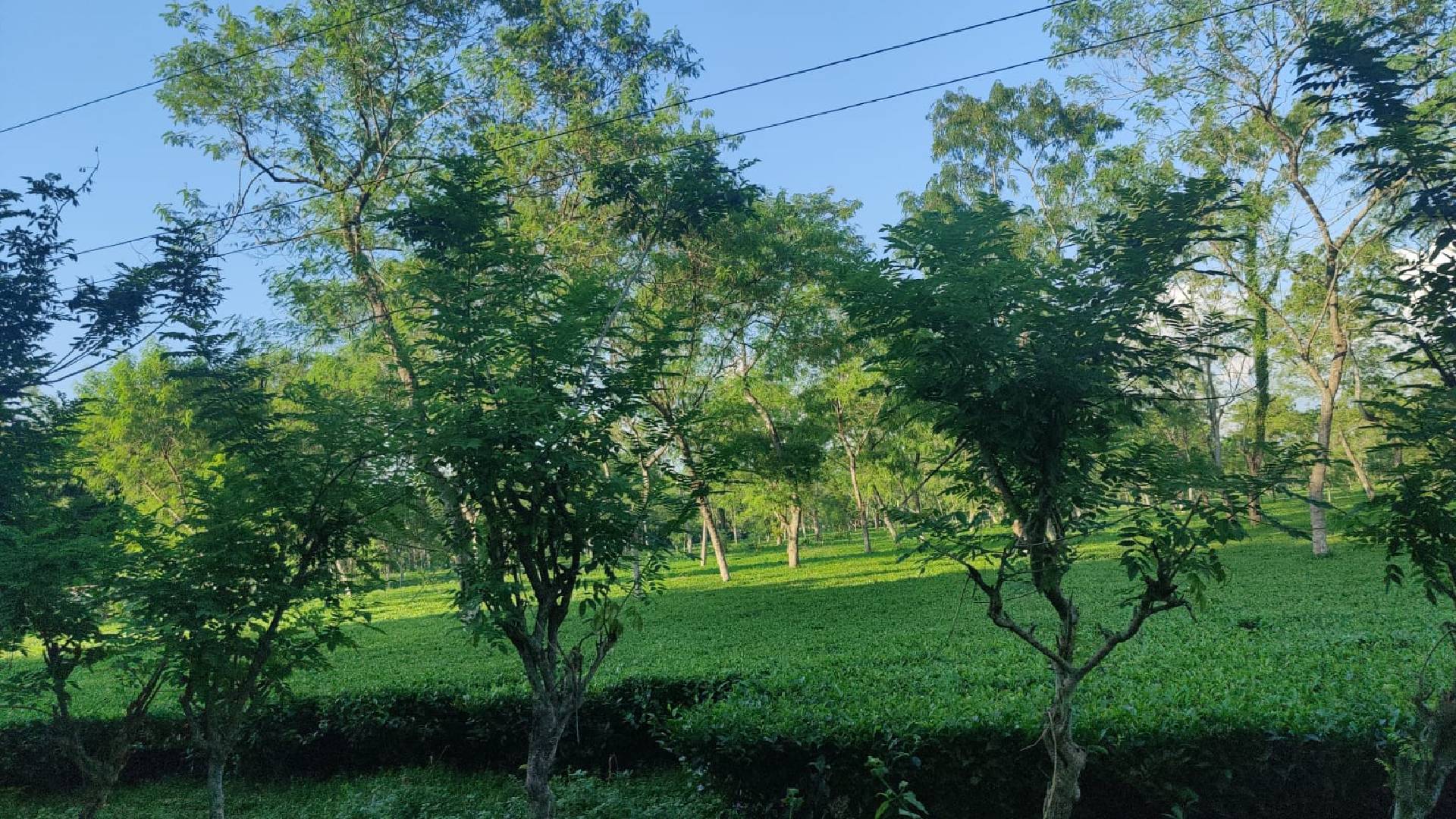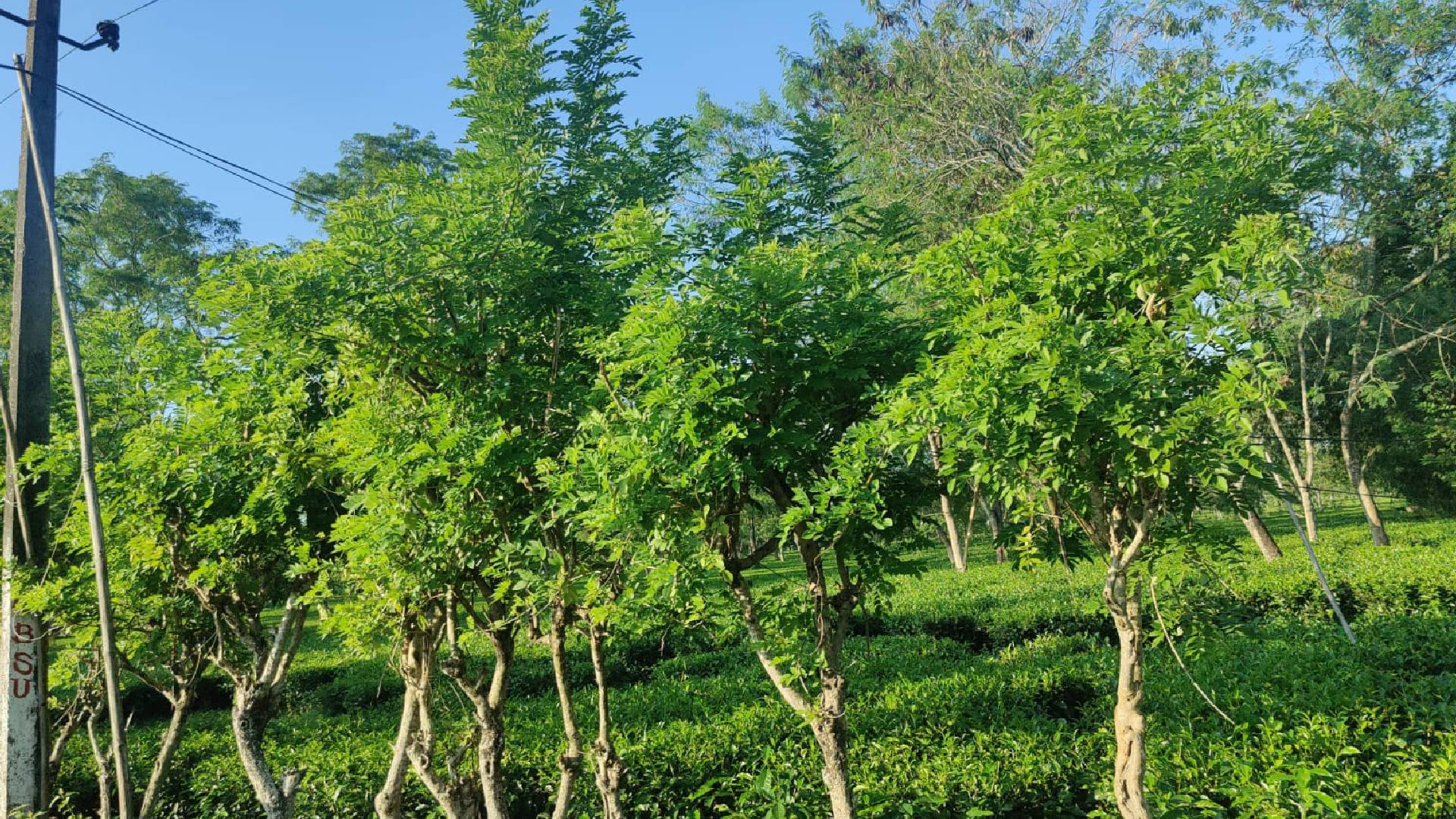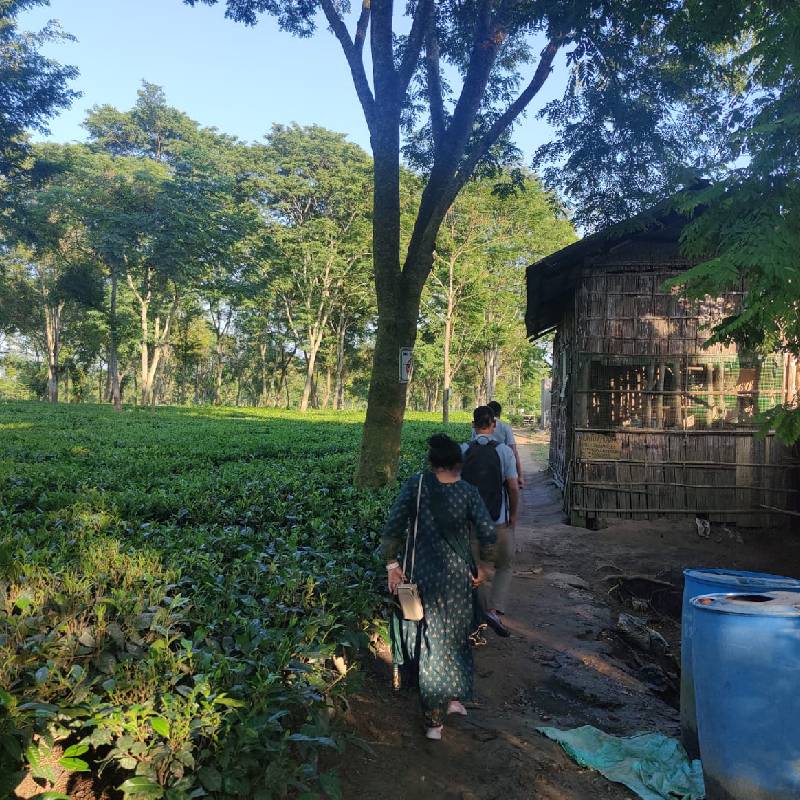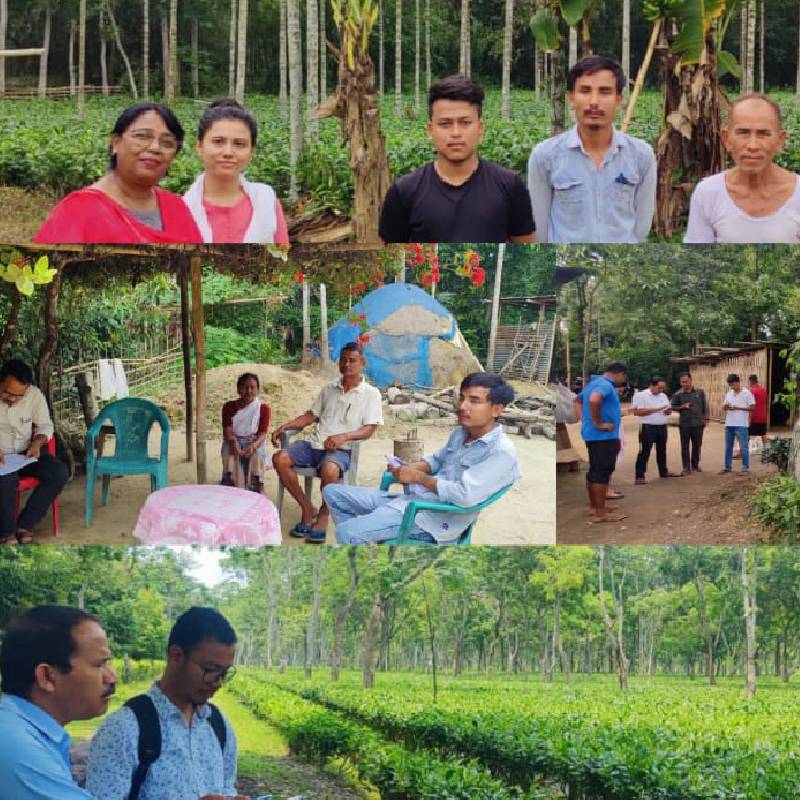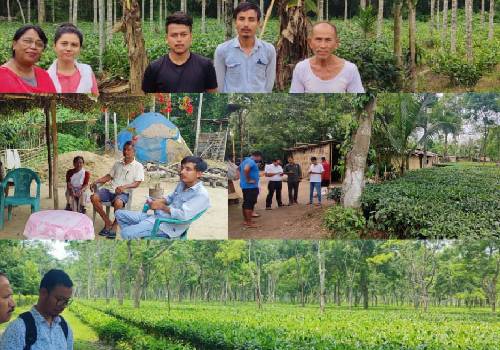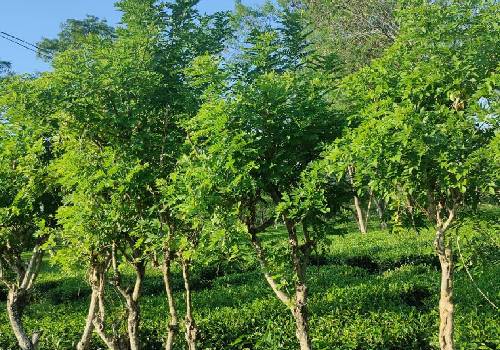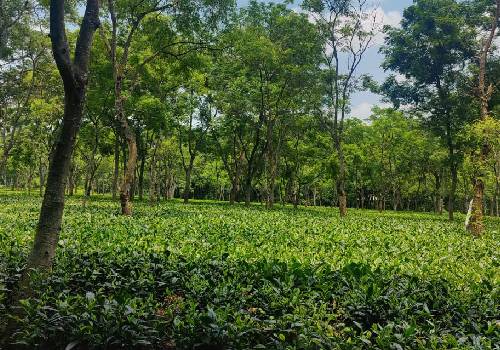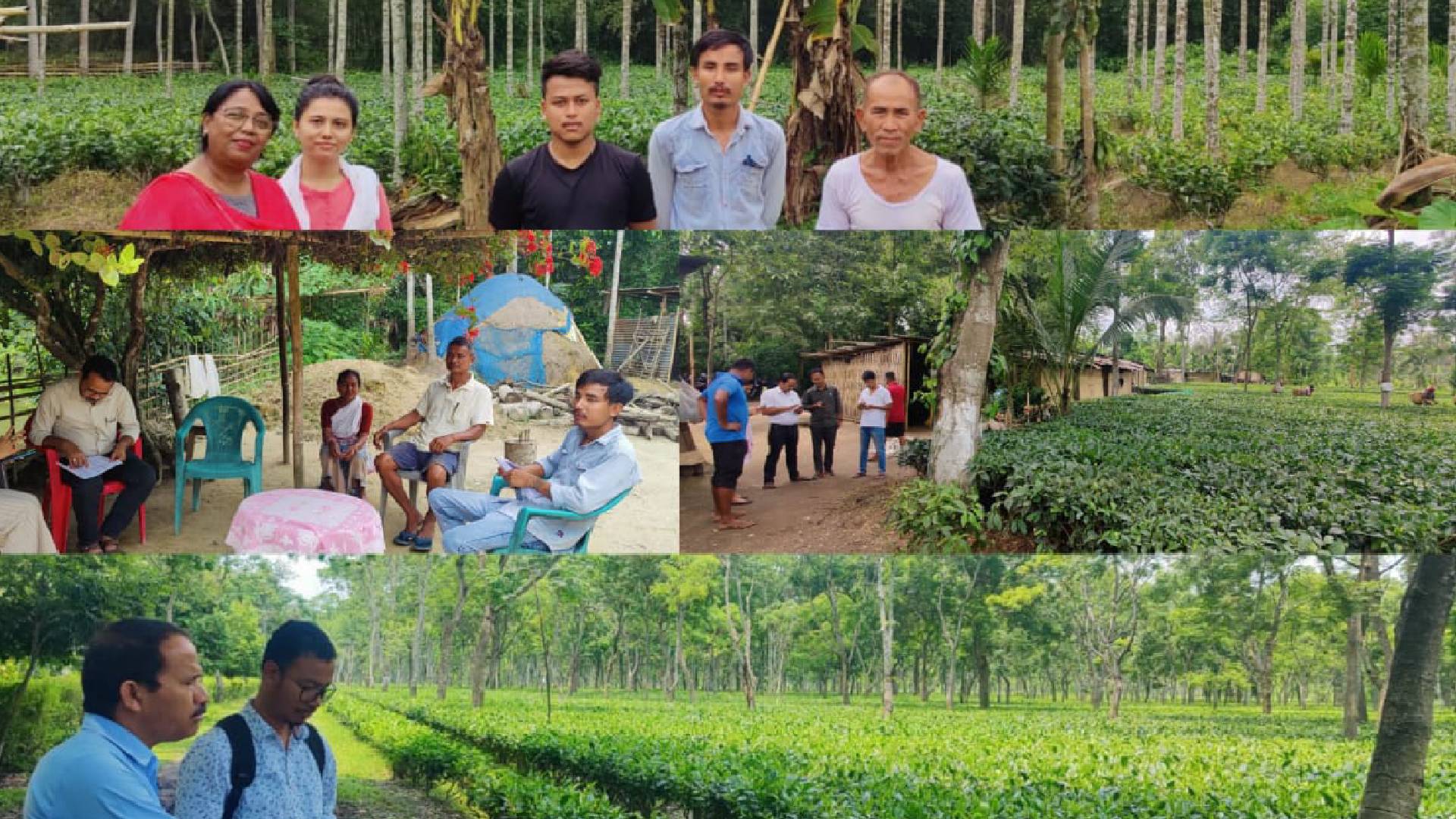
Tea is a major plantation crop in Assam which has significant impact on Economy of Assam and the country as a whole. Availability of a reliable database on the tea gardens is pre-requisite for embarking upon planning strategies for their development. The tea industry in Assam is about 172 years old. Along with the big Tea farming groups or farmers of the state the Small Tea growers also plays a significant role in the overall tea production scenario of Assam. According to the recently conducted door to door survey by the Industries & Commerce Department of Assam, the total numbers of small growers in 14 surveyed districts of Brahmaputra Valley is 68,465. Growth of Small tea growers in five upper Assam district is 64,519 (94%). Dibrugarh and Tinsukia districts of upper Assam have remarkable numbers of small growers and their number is 37,755 (55%). In middle Assam Udalguri, Sonitpur, Nagaon and Karbi Anglong districts have in rising trend. Total area of land under tea cultivation of small growers is 117 thousand acres. Presently, Small growers used patta land as well as other Government land for tea cultivation. In most of the Tea growing districts of Assam 59,717 small gardens have holding size of less than 3 acres. Only 380 small gardens have holding size of 15 acres. The role of the Small Tea growers cannot be ignored in any sense that they contribute a sizeable 400 Million Kg. of tea leaves to the overall production output in annual basis (Industries & Commerce Department, 2019). Presently there is no structured geo-spatial database at the national or state level regarding natural resources available in the tea gardens, management aspects of the gardens and extreme events of flood, insects / pests, drought etc. For efficient management and to augment the productivity and quality.
(a) To identify and Map the existing Small Tea Garden Areas
(b) To identify and Map the different Spatial assets that falls under the tea garden boundary viz. Landuse/Landcover pattern, Road network, Location of Factory and Godown, Slope, Relief, Drainage/Irrigation system, Connectivity to the nearest tea leaf selling station & Soil condition etc.
(c) To prepare a Site suitability mapping for additional area expansion for Small tea growers of concerned districts using Remote sensing and GIS based platform.
(d) Finally, To develop a Systematic Decision Support System (SDSS) framework with the help of more accessible Web-GIS platform for sustainable planning & Management of small Tea Garden areas in the study area.